


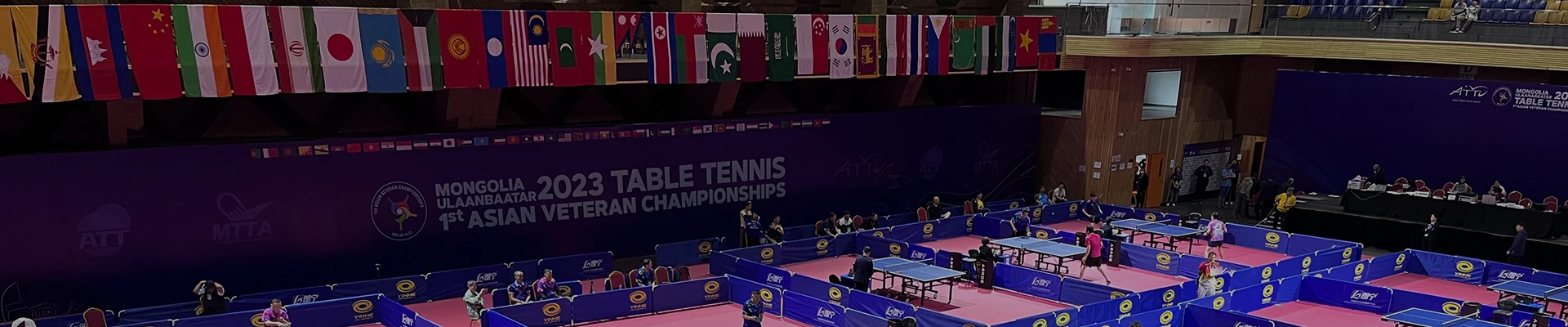
Best Floors for Tennis Court and Basketball Court - Durable & Safe Sports Flooring Solutions
Unpacking the Importance of Floors for Tennis Courts and Basketball Courts Worldwide
Sports floors — specifically the kind designed for tennis courts and basketball courts — are more than just surfaces; they’re the unsung heroes of the game. Globally, the quality and design of these floors influence player safety, game performance, and even venue sustainability. But why should we care? Well, millions play these sports from amateur to professional levels, and having the right floor for tennis court and basketball court is critical for consistent playability and injury prevention.
Understanding the nuances behind these surfaces helps sports facilities optimize for durability, player comfort, and cost efficiency, which is a big deal when investing in community or elite sports infrastructure.
The Global Stage: Why Quality Flooring for Tennis and Basketball Courts Matters
Consider this: basketball is played by roughly 450 million people worldwide according to FIBA, and tennis has over a hundred million enthusiasts globally, with a significant rise in developing countries.1 Sporting bodies and facility owners are increasingly facing challenges around maintaining courts that can stand heavy use and varied climates.
The real 🔑 issue is how to balance performance with sustainability and cost. ISO 10209 standards touch on sports flooring materials, but facilities in different climates — say tropical vs. chilly northern regions — require tailored solutions. That’s where specialized floor for tennis court and basketball court makes a noticeable difference, tackling wear, weather impact, and athlete safety all at once.
What Exactly Is a Floor for Tennis Court and Basketball Court?
Put simply, court flooring refers to the engineered surface materials installed to accommodate tennis or basketball gameplay, designed to optimize bounce, traction, and durability. Unlike ordinary floors, these must absorb shock, reduce injury risk, and support fast footwork while being resistant to outdoor elements.
In modern sport construction, these floors combine materials like polyurethane, acrylic coatings, rubber composites, or even hardwood — each tuned for specific game needs. It’s not just a fancy playground; it’s a technical ecosystem that sports science and engineering converge on to provide a consistent, safe playing arena.
Key Factors in Selecting Quality Floors for Tennis and Basketball Courts
1. Durability
Both indoor and outdoor courts endure massive wear: constant foot traffic, UV exposure, weather changes, you name it. Durable floors withstand cracking, fading, and surface deformation over time — critical to avoiding frequent costly repairs.
2. Safety and Shock Absorption
Players slide, jump, pivot — all actions that stress joints and muscles. A quality floor for tennis court and basketball court must absorb shocks to minimize injuries like sprains or long-term joint damage.
3. Traction and Performance
A floor’s grip affects player agility and ball behavior. For example, tennis courts usually need consistent ball bounce with moderate friction, while basketball floors demand superior traction without grip that’s too “sticky.”
4. Weather Resistance
Outdoor courts bear rain, heat, frost... so materials must resist cracking, mold, and UV degradation. Indoor courts prioritize humidity control and surface evenness instead.
5. Cost Efficiency and Maintenance
Initial installation costs, upkeep needs, and repair cycles impact the total cost of ownership. Facilities seek floors that balance upfront investment with maintenance ease.
Mini Takeaway:
Picking the right floor isn’t random luck — it’s a calculated balance of durability, player safety, and maintenance needs shaped by environment and sport-specific demands.
Real-World Applications: Where and How These Floors Make a Difference
Across continents, sports floors contribute to everything from elite global tournaments to grassroots community leagues. In the US, hardwood basketball floors dominate professional arenas, while acrylic-coated tennis courts are widespread in Europe. Meanwhile, parts of Asia and Africa are increasingly adopting modular synthetic floors — which allow quicker installation and easier maintenance in remote areas.
Consider a school in rural Kenya investing in prefabricated tennis courts with shock-absorbing synthetic floors to promote youth sports and reduce injury risk. Or community centers in Canada opting for indoor polyurethane basketball courts to combat heavy snowfall issues outside. In disaster relief or temporary community engagement projects, portable or fast-install flooring solutions enhance sports’ role in psychosocial recovery and social cohesion.
Advantages and Long-Term Value of Proper Sport Flooring
- Cost Savings: A robust floor reduces frequent replacements and repairs, saving money in the long haul.
- Sustainability: Modern materials often incorporate recycled components and reduce environmental footprints.
- Safety & Health: Less stress on joints means happier players, fewer medical costs, and longer athletic careers.
- Community Impact: Better courts inspire participation, promote social inclusion, and nurture future talents.
- Trust & Reputation: Facilities with high-quality floors attract more events and users, automatically boosting their profile.
Sports Flooring Specs That Often Get Overlooked
| Specification | Tennis Court Floor | Basketball Court Floor |
|---|---|---|
| Material Type | Acrylic or Synthetic Turf | Hardwood or Polyurethane |
| Shock Absorption | Medium | High |
| Traction Level | Moderate | High |
| Maintenance Frequency | Low to Medium | Medium to High |
| Typical Lifespan | 5–10 years | 10–20 years |
Top Vendors: Comparing Flooring Solutions for Tennis and Basketball Courts
| Vendor | Main Product Type | Installation Time | Warranty | Sustainability Rating |
|---|---|---|---|---|
| Langning Sports | Modular Synthetic Floors | 2-4 weeks | 10 years | A+ |
| ProCourt Solutions | Professional Acrylic Paint Systems | 5-6 weeks | 8 years | B |
| FloorMasters Inc. | Traditional Hardwood Systems | 6-8 weeks | 15 years | B+ |
What’s Next? Trends and Innovations in Sports Flooring
Frankly, innovation is stepping up quickly. New green materials like bio-based polyurethane prioritize sustainability without compromising durability. Embedded sensors for impact monitoring promise to revolutionize player safety, giving coaches real-time feedback on joint stress or slip risk.
Modular floors with faster installation times and improved recyclability are gaining traction, particularly in regions where budgets and timelines are tight. Plus, digital mapping and laser leveling are reducing installation errors, making sure each court plays perfectly every time.
Challenges Ahead and How Experts Recommend Overcoming Them
One big hurdle is the upfront cost — premium floors can be pricey, and not every community or club has access to large budgets. Innovative leasing models and product modular approaches are softening this blow. Another issue is climate adaptability; some materials still falter in extreme weather.
Experts advocate for climate-specific product lines or hybrid solutions: for instance, a composite flooring system that adjusts shock absorption according to temperature. Plus, ongoing certification initiatives by ISO and sports federations aim to better standardize quality globally.
FAQ: Flooring for Tennis Courts and Basketball Courts Simplified
- Q: How long does a typical basketball court floor last?
A: Most hardwood basketball floors last between 10 to 20 years with proper care and occasional refinishing. Synthetic floors tend to last slightly less but offer lower maintenance costs. - Q: Can tennis and basketball courts share the same flooring?
A: While technically possible, each sport has unique needs regarding traction and shock absorption. Multi-use floors exist but often represent a compromise and might not suit professionals. - Q: How important is professional installation for these floors?
A: Extremely important. Uneven or improper installation can lead to premature surface damage, unsafe playing conditions, and costly repairs. Vendors like Langning Sports offer specialized installation crews to ensure optimal results. - Q: Are there eco-friendly options for court flooring?
A: Yes, several vendors now offer recycled or bio-based materials and coating solutions that reduce environmental impact while maintaining performance.
Wrapping Up: Why Investing in the Right Court Floor Is a Game-Changer
To sum it up, the choice of floor for tennis court and basketball court commits you to years of performance, safety, and cost impacts. The right floor elevates player confidence, venue reputation, and even community wellness.
If you’re on the hunt for durable, sustainable, and innovative court flooring, I’d definitely suggest checking out the latest options at Langning Sports. Their modular solutions hit that sweet spot of quality and clever design that simply makes sense.
After all, good floors are the foundation that great games run on.
References
-
Premium Outdoor Dance Floor for Sale Professional Event SurfacesNewsApr.16,2026
-
Premium Professional White Dance Floor for Sale and Buying GuideNewsApr.09,2026
-
Find Your Perfect Portable Dance Floor for Sale and Create Unforgettable EventsNewsApr.07,2026
-
Find High Quality Dance Flooring for Sale and Expert GuidanceNewsApr.04,2026
-
Comprehensive Guide to Durable Commercial Vinyl Solutions for BusinessesNewsMar.31,2026
-
Comprehensive Commercial Flooring Management for Business LongevityNewsMar.28,2026
-
Comprehensive Guide to Selecting the Right Commercial Flooring MaterialsNewsMar.26,2026