


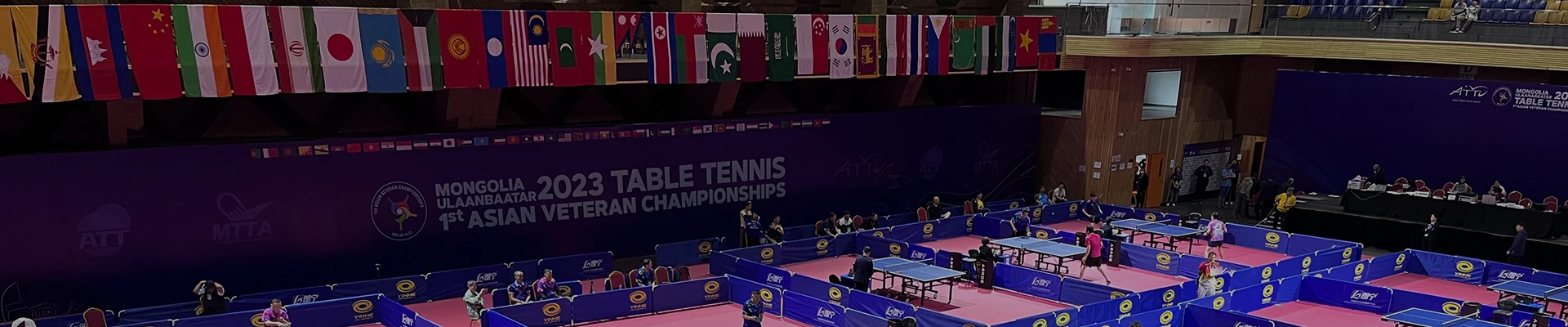
Basketball Gym Flooring Price Guide: Insights, Trends & Tips for Smart Investments
Understanding Basketball Gym Flooring Price: Why It Matters Globally
When you think of a basketball gym, the court itself often steals the spotlight. Yet, the underlying foundation—the flooring—plays a far more crucial role than many realize. Today, covering the topic of basketball gym flooring price isn’t just about numbers; it’s about how this seemingly niche detail influences sports safety, facility management costs, and even community well-being worldwide.
Across continents, investment in quality gym flooring translates into reduced injury rates, enhanced athletic performance, and prolonged venue lifespans. Given basketball’s soaring global popularity—The International Basketball Federation (FIBA) estimates over 450 million active players—understanding gym flooring pricing helps stakeholders make smarter, sustainable decisions.
Mini takeaway: The price of basketball gym flooring impacts more than just budgets; it reflects on safety, durability, and the very quality of sports culture globally.
Introduction: A Global Snapshot of Basketball Gym Flooring Costs
Basketball isn’t just America’s game anymore. With leagues and courts popping up everywhere—from sprawling urban centers in Asia to neighborhood schools in Africa—the demand for high-quality flooring is rising exponentially. According to market forecasts, the global sports flooring market is expected to cross $4.5 billion by 2028, driven largely by basketball arena developments.
Yet, here’s the kicker: many institutions wrestle with cost versus quality trade-offs. Cheaper floors can lead to safety hazards and quicker degradation, while premium options may break limited budgets. The persistent challenge? Finding the sweet spot that aligns basketball gym flooring price with long-term value without sacrificing safety and performance.
Mini takeaway: Globally, balancing affordability and quality in gym flooring remains key—especially as demand surges in emerging markets.
What Exactly Is 'Basketball Gym Flooring Price'?
At its core, basketball gym flooring price refers to the total cost involved in purchasing and installing specialized flooring designed for basketball courts. This includes materials, labor, maintenance, and sometimes ancillary products like underlays or surface finishes.
But it’s not just a number. The price reflects factors like the flooring type (hardwood, synthetic, vinyl, or rubber), thickness, durability specs, and compliance with international athletic standards (like those set by ISO or FIBA). In the broader industry, paying attention to these price dynamics reflects a growing humanitarian need—safe, reliable spaces encourage youth participation and community cohesion, often in underserved areas.
Mini takeaway: The term encompasses far more than sticker price—it bundles materials, workmanship, standards, and real-world utility.
Key Factors Influencing Basketball Gym Flooring Price
1. Material Type
Hardwood flooring, typically maple, dominates professional setups but commands a premium price due to durability and playability. Synthetic alternatives (like vinyl or polyurethane) are cheaper but may have different resilience and traction qualities. Oddly enough, choosing one over the other can halve or double the price.
2. Durability and Maintenance Needs
Floors guaranteeing low maintenance reduce costs over years, though they may require a heftier initial investment. Factors like moisture resistance and scratch-proof finishes affect long-term price efficiency.
3. Installation Complexity
Costs aren’t just about materials. Some flooring systems need specialized labor or subfloor preparation, which can significantly bump up the final price.
4. Certification and Compliance
Meeting safety and performance standards—FIBA, ASTM, or ISO—adds to costs but ensures player safety and official use eligibility.
5. Vendor and Geographic Location
Prices fluctuate based on local manufacturing, shipping fees, and vendor reliability. For example, buying from established brands in North America versus emerging suppliers in Southeast Asia can differ by hundreds of dollars per square meter.
| Specification | Maple Hardwood | Synthetic Vinyl | Rubber Composite |
|---|---|---|---|
| Material Thickness | 22 mm | 6 mm | 8 mm |
| Shock Absorption | >60% | 45-50% | 50-55% |
| Lifespan | 25+ years | 10-12 years | 15 years |
| Maintenance | Periodic sanding & resealing | Cleaning & recoating | Cleaning and patch repairs |
| Cost Range (per m²) | $85 - $120 | $40 - $70 | $50 - $80 |
Mini takeaway: There's no one-size-fits-all pricing; pick materials carefully based on your facility’s priorities.
Global Applications & Real-World Examples
From high school gyms in the USA to newly-built community halls in Nigeria, basketball gym flooring price plays a vital role in what courts get installed. Some NGOs have championed modular synthetic floors for post-disaster zones where rapid deployment and safety count.
Interestingly, some European sports complexes invest heavily in shock-absorbing hardwood floors to reduce player injuries, proving that spending more upfront saves on medical expenses and downtime.
In Asia, the rise of indoor basketball leagues coincides with demand for durable but affordable floors, causing vendors to innovate cost-effective synthetic blends that mimic hardwood feel.
Mini takeaway: Across diverse geographies, the demand for quality flooring balances price with context-specific needs.
Advantages & Long-Term Value of Investing Wisely
Let’s face it — installing gym flooring isn’t something owners do repeatedly. It’s inherently a long-term investment. The right choice enhances safety, reduces maintenance headaches, and boosts player confidence. Emotionally, it fosters pride and trust in the venue, whether it’s a community center or a professional arena.
Cost-wise, although upfront prices might be intimidating, durable floors generally offer better ROI by cutting replacement cycles and enhancing usability.
Mini takeaway: Smart investments in flooring are a blend of logic and emotion—protecting players and inspiring communities.
The Future of Basketball Gym Flooring Pricing
Innovation marches on, influenced by sustainability and tech advances. Expect more eco-friendly materials like bamboo composites or recycled plastics becoming mainstream, which may shift basketball gym flooring price trends downward eventually.
Digital monitoring systems, embedded sensors in flooring to track wear and performance, and robotics-assisted installation are no longer sci-fi. They promise cost savings and higher precision, challenging conventional pricing models.
Mini takeaway: The future’s bright, but evolving features mean prices might fluctuate before settling.
Challenges & Practical Solutions
Common stumbling blocks include upfront budget constraints, unfamiliarity with materials, and the temptation to cut corners. Many facilities opt for cheap flooring, only to face costly repairs and safety claims later.
Experts advise: always seek vendors with verified certifications, demand transparent quotes, and weigh lifecycle costs over just initial price.
| Vendor | Price Range (per m²) | Material Specialty | Warranty | Certifications |
|---|---|---|---|---|
| Langning Sports | $50 - $85 | Synthetic & Hardwood | 10 years | FIBA, ISO 9001 |
| ProCourt Flooring | $70 - $120 | Hardwood Maple | 15 years | FIBA, ASTM |
| EcoPlay Surfaces | $40 - $75 | Recycled Composite | 8 years | ISO 14001, LEED |
FAQ: Practical Questions About Basketball Gym Flooring Price
- Q: How much should I budget per square meter for a quality basketball gym floor?
- A: For a durable, professional-grade surface, expect around $70 to $120 per m², depending on materials and installation complexity. Synthetic floors tend to be less expensive (~$40-$70/m²), but hardwood offers better longevity and performance.
- Q: Does a higher basketball gym flooring price always mean better quality?
- Not necessarily. While price often correlates with quality, some mid-range products offer excellent durability and safety if sourced from reputable vendors. Always check certifications and warranty rather than just cost.
- Q: What’s the lifespan difference between hardwood and synthetic floors?
- Hardwood floors typically last 20-25 years with proper maintenance, whereas synthetic floors often last between 10-15 years. Proper care can extend either type’s lifespan significantly.
- Q: Can I install basketball gym flooring myself to save money?
- Installation is highly technical, involving precise subfloor prep and specialized equipment. Attempting DIY can lead to warranty voids and poor performance, so professional installation is strongly recommended.
- Q: Where can I get transparent pricing and consultation?
- Many companies like Langning Sports provide detailed quotes and expert support to guide your choice based on budget and usage needs.
Wrapping It Up: Why Basketball Gym Flooring Price Deserves Thoughtful Attention
In the grand scheme, the cost entailed in basketball gym flooring isn’t just an upfront expense but a long-term partnership with players, facility managers, and communities. Choosing wisely means safer courts, happier athletes, and ultimately smarter resource use. If you’re looking to weigh your options or refresh your gym flooring, take a moment to delve into market offers and performance guarantees.
Feel free to explore more about basketball gym flooring price and find solutions tailored to your vision and budget.
After all, every great shot deserves a great floor — and a great deal.
References
-
Premium Outdoor Dance Floor for Sale Professional Event SurfacesNewsApr.16,2026
-
Premium Professional White Dance Floor for Sale and Buying GuideNewsApr.09,2026
-
Find Your Perfect Portable Dance Floor for Sale and Create Unforgettable EventsNewsApr.07,2026
-
Find High Quality Dance Flooring for Sale and Expert GuidanceNewsApr.04,2026
-
Comprehensive Guide to Durable Commercial Vinyl Solutions for BusinessesNewsMar.31,2026
-
Comprehensive Commercial Flooring Management for Business LongevityNewsMar.28,2026
-
Comprehensive Guide to Selecting the Right Commercial Flooring MaterialsNewsMar.26,2026