


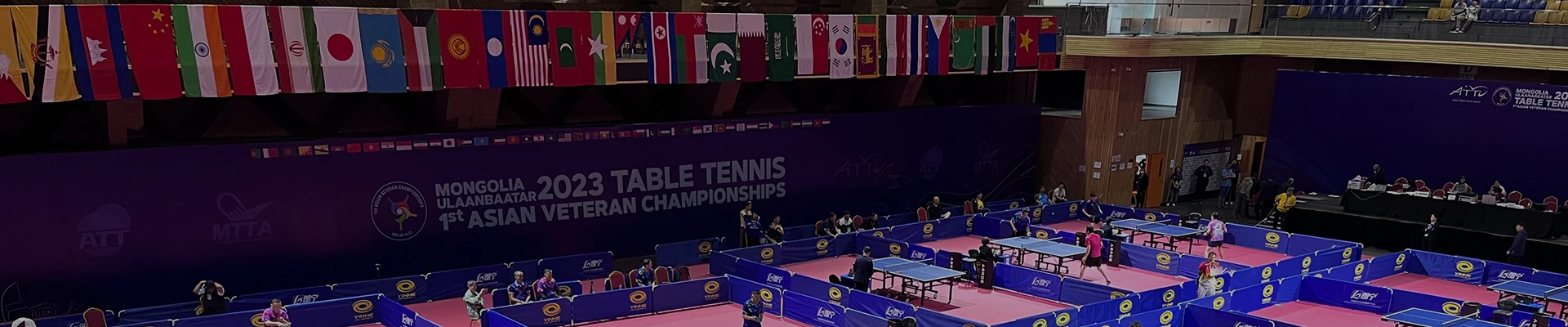
Artificial Flooring for Tennis Court: Durable, Sustainable, and Player-Friendly Surfaces
Understanding Artificial Flooring for Tennis Court: The Modern Game Changer
Tennis courts, traditionally made of clay, grass, or concrete, have undergone a fascinating transformation with the advent of artificial flooring for tennis court. Why does this matter beyond just sport? Globally, as urbanization grows and climate conditions become less predictable, the demand for durable, low-maintenance, and performance-optimized tennis surfaces is skyrocketing. Understanding artificial tennis court flooring is key to grasping how sport infrastructure adapts to modern needs — from climate resilience and sustainability to player safety and maintenance economies.
Introduction: Why Artificial Tennis Court Flooring Is a Global Priority
Across the world, tennis has a massive footprint: over 87 million players worldwide, according to the International Tennis Federation (ITF). The growth has pushed courts into urban settings with limited space and resources. Also, with the push for sustainability — noted in standards like ISO 14001 — many sports organizations seek alternatives to resource-heavy traditional surfaces.
Challenges include maintaining playable surfaces in varied climates, reducing water usage, and providing injury-resistant flooring. Artificial flooring for tennis courts addresses these directly, enabling better play experiences with fewer environmental tolls.
What Is Artificial Flooring for Tennis Court?
Simply put, artificial flooring in this context refers to synthetic surfaces designed specifically for tennis. These range from acrylic resin coatings applied over asphalt or concrete, to modular tiles made from polymers or recycled rubber, engineered to optimize bounce, grip, and player safety. Unlike natural surfaces, they require minimal watering and upkeep, suitable for a world increasingly conscious of resource conservation.
This innovation ties into broader movements in sports infrastructure that emphasize durability, modularity, and ecological responsibility — something modern facilities, from schools to professional arenas, actively seek.
Key Factors in Choosing Artificial Flooring for Tennis Court
Durability & Weather Resistance
Artificial surfaces typically outlast traditional clay or grass courts, resisting UV damage, water erosion, and temperature fluctuations. This means fewer repairs and longer service life, even in harsh conditions.
Player Safety & Performance
Good synthetic flooring provides consistent ball bounce and shock absorption, reducing joint strain — crucial for player longevity. These floors often comply with ITF performance standards, balancing speed and friction.
Cost Efficiency & Maintenance
Though upfront costs may be higher than installing a clay court, artificial floors cut maintenance dramatically. No resurfacing or watering is needed, and cleaning is straightforward.
Environmental Sustainability
Many modern artificial floors incorporate recycled materials and reduce water consumption. Manufacturers increasingly aim for eco-certifications, appealing to green-conscious venues.
Scalability & Installation Speed
Modular tiles or rapid-curing coatings support quick installation or refurbishment — vital for busy clubs or public courts. This agility is a selling point amid tight project timelines.
Mini takeaway: Durability, safety, and environmental concerns together drive the choice of artificial tennis court floors today.
Global Applications & Use Cases of Artificial Tennis Court Flooring
From Europe’s scorching Mediterranean climates to North America’s variable seasons, these synthetic floors thrive. In countries like Australia and Japan, large-scale sports centers rely heavily on acrylic and modular floors for multi-use courts.
Interestingly, in regions with water scarcity, artificial courts reduce irrigation needs drastically, helping institutions comply with conservation guidelines — a notable example being California’s restrictions during drought years. Visiting foreign-made courts, you’d notice the same technology cropping up in places as varied as Morocco and Singapore.
Professional tournaments like the US Open and Australian Open famously use hard acrylic courts — a testament to their global acceptance and performance credentials.
Advantages & Long-Term Value of Artificial Tennis Court Flooring
- Cost Savings: Fewer maintenance hours and supplies.
- Consistent Playability: Predictable ball behavior enhances player training.
- Environmental Impact: Lower water and chemical use.
- Safety: Shock absorption reduces injury risk.
- Longevity: Can last 10–15 years or longer with proper care.
Emotionally, players and organizers feel a greater sense of trust and dignity in a stable, professional surface. Innovation in flooring also signals commitment to excellence, building pride and confidence in the sport.
Modern Specs of Artificial Tennis Court Flooring
| Specification | Typical Range / Value |
|---|---|
| Surface Material | Acrylic Resin, Polyurethane, Rubber Composite |
| Shock Absorption | 35% – 50% (ITF standard compliant) |
| Ball Bounce Consistency | High (4.0–4.5 on ITF speed scale) |
| Installation Time | 3–7 Days (varies by method) |
| Expected Lifespan | 10–15 years |
Comparing Leading Vendors of Artificial Tennis Court Flooring
| Vendor | Material Type | Installation Speed | Price Range | Sustainability Initiatives |
|---|---|---|---|---|
| Langning Sports | Acrylic Resin Systems | 5 days | $$$ | Recycled materials & low VOCs |
| GreenPlay | Rubber Composite Tiles | 3 days | $$ | Use of 80% recycled rubber |
| ProCourt Surfaces | Polyurethane Coating | 7 days | $$$$ | Energy efficient manufacturing |
Looking Ahead: The Future of Artificial Flooring for Tennis Courts
Today, material scientists and sports engineers are exploring bio-based polymers and nanocoatings to extend durability and reduce environmental impact even further. Digital monitoring systems embedded under floors will soon allow real-time surface condition tracking—helping maintainers predict wear and optimize resurfacing schedules.
Sustainability demands mean future courts will likely lean more heavily on recycled content, and cutting-edge installation methods will minimize waste and disruptions. Frankly, it feels like the era of static, “set-it-and-forget-it” tennis courts is giving way to smart, adaptable, and ethically made installations.
Challenges in Artificial Tennis Court Flooring and How Experts Tackle Them
One challenge is initial cost perception. Many casual clubs hesitate due to upfront expenses, even when the lifecycle cost is lower. Education and demonstration projects help bridge this.
Environmental concerns arise where synthetic materials could release microplastics; however, leading manufacturers now employ closed-loop recycling systems and low-emission products.
Lastly, matching player preference can be tricky—traditionalists often love the feel of clay or grass. Manufacturers respond with hybrid surface options simulating those classic experiences.
FAQs About Artificial Flooring for Tennis Court
- How long does it take to install artificial flooring on a tennis court?
- Typically, installation ranges from 3 to 7 days depending on the flooring system and site preparation. Modular tiles install faster than poured coatings, which require curing time.
- Is artificial tennis court flooring environmentally friendly?
- Many manufacturers incorporate recycled materials and low-VOC adhesives, reducing environmental impact. Plus, these surfaces save water by eliminating the need for irrigation used on clay or grass courts.
- Can artificial tennis floors be used in extreme weather?
- Yes, engineered synthetic surfaces resist UV damage, water exposure, and temperature swings, making them suitable for diverse climates from deserts to humid tropics.
- How often does artificial tennis flooring need resurfacing?
- Generally, resurfacing every 7 to 10 years keeps the surface in optimal condition, while minor maintenance occurs more frequently.
Conclusion: A Smarter Surface for the Sport's Future
Artificial flooring for tennis court is more than just a material choice — it’s a strategic investment for sustainability, player safety, and long-term cost savings. As sports facilities evolve globally, adopting these resilient surfaces marks an exciting blend of innovation and practicality.
Ready to explore the best artificial flooring solutions for your tennis court? Visit our website: artificial flooring for tennis court to learn more.
In real terms, when your court feels good underfoot and stays reliable year-round, the game simply gets better — both for players and the planet.
References
-
Premium Outdoor Dance Floor for Sale Professional Event SurfacesNewsApr.16,2026
-
Premium Professional White Dance Floor for Sale and Buying GuideNewsApr.09,2026
-
Find Your Perfect Portable Dance Floor for Sale and Create Unforgettable EventsNewsApr.07,2026
-
Find High Quality Dance Flooring for Sale and Expert GuidanceNewsApr.04,2026
-
Comprehensive Guide to Durable Commercial Vinyl Solutions for BusinessesNewsMar.31,2026
-
Comprehensive Commercial Flooring Management for Business LongevityNewsMar.28,2026
-
Comprehensive Guide to Selecting the Right Commercial Flooring MaterialsNewsMar.26,2026