In Papua New Guinea, the demand for durable sports infrastructure is growing as community centers and educational institutions seek to upgrade their facilities. Traditionally, local courts relied on basic concrete or asphalt, which often lead to high impact injuries and rapid degradation under the region's intense tropical humidity and rainfall. This has created a significant market shift toward specialized synthetic materials that can withstand these environmental pressures while providing a safer playing experience.
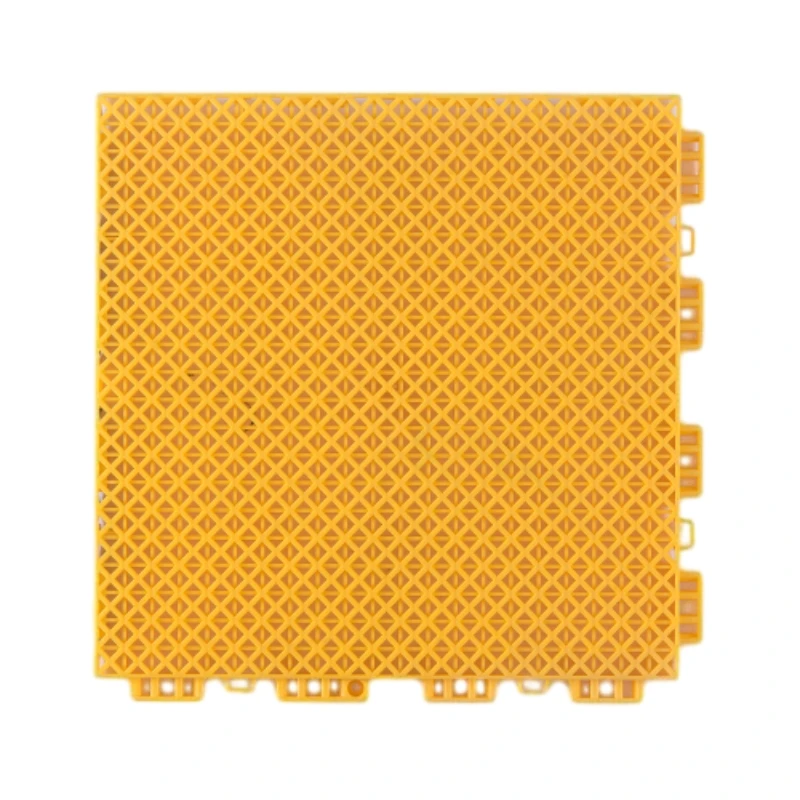
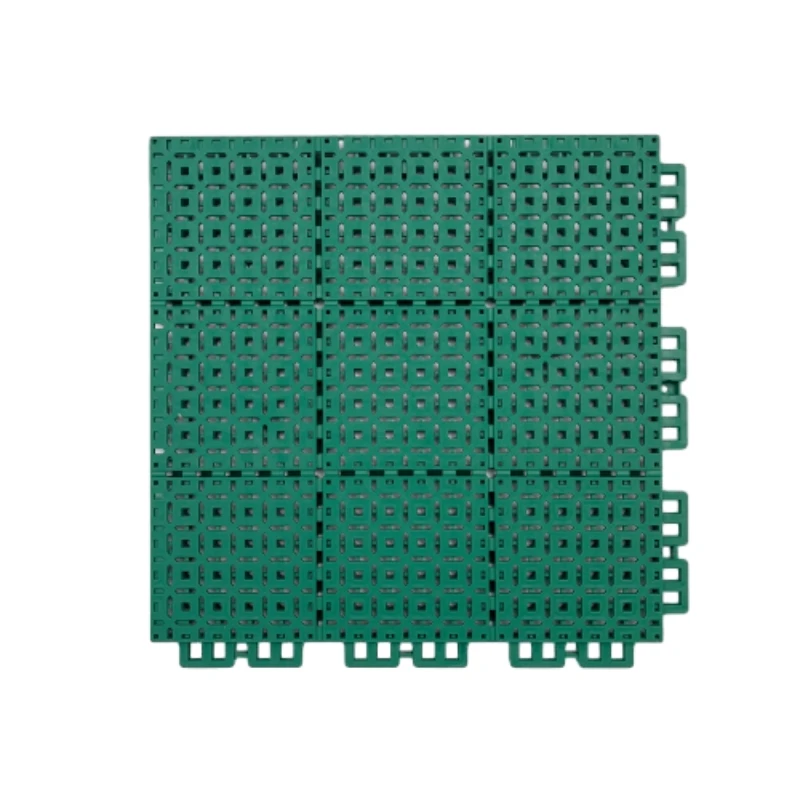
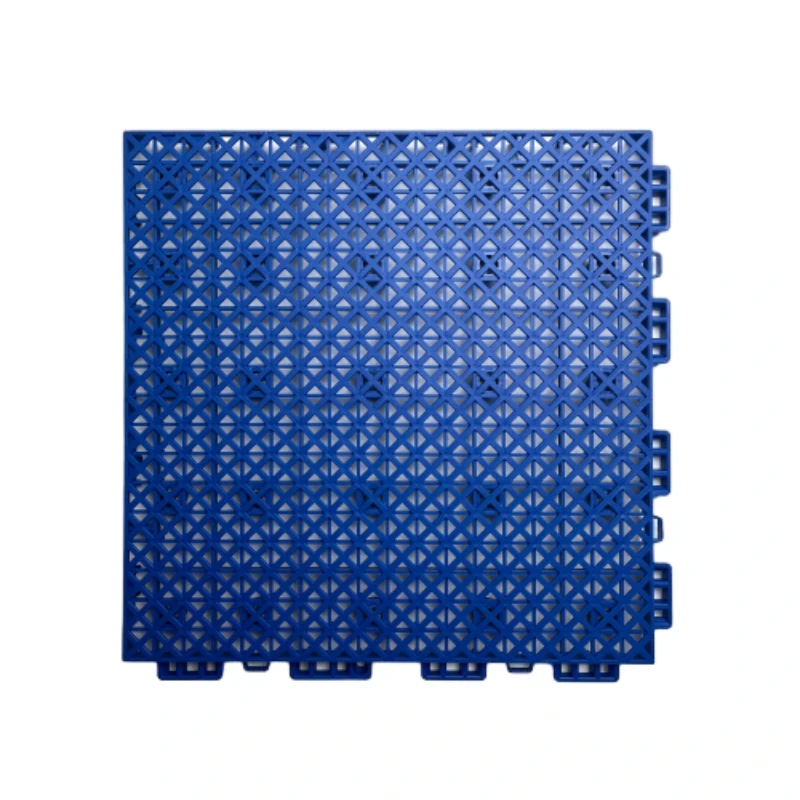
One of the primary challenges facing local facility managers is the balance between initial installation costs and long-term maintenance. Conventional flooring often cracks or peels due to extreme temperature fluctuations, making outdoor sport court tiles an increasingly attractive option due to their interlocking design and superior drainage capabilities. The need for surfaces that comply with international standards, such as FIBA and BWF, is also becoming a priority for venues aspiring to host regional competitions.
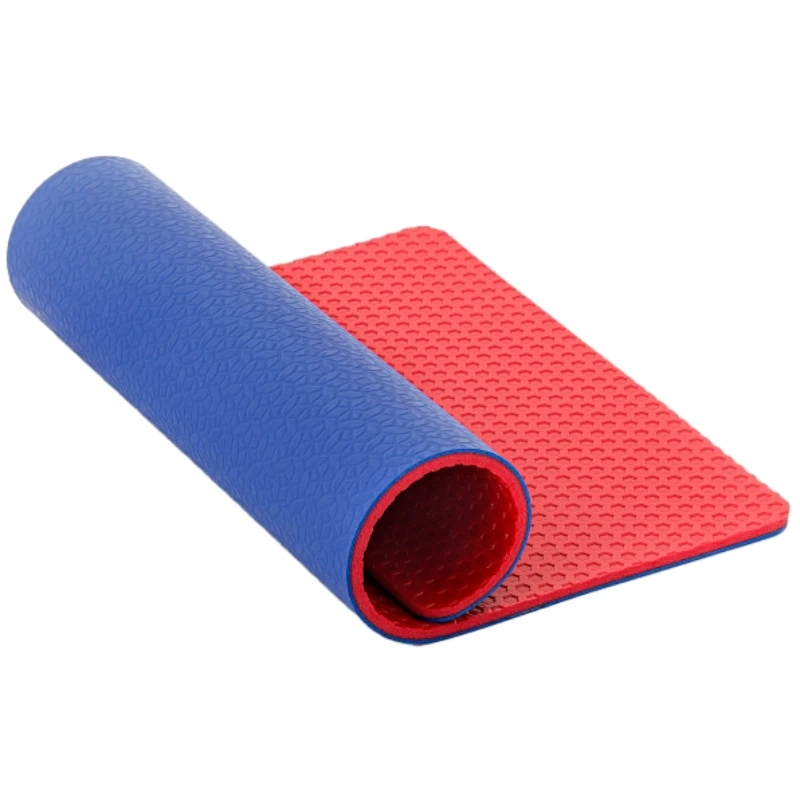
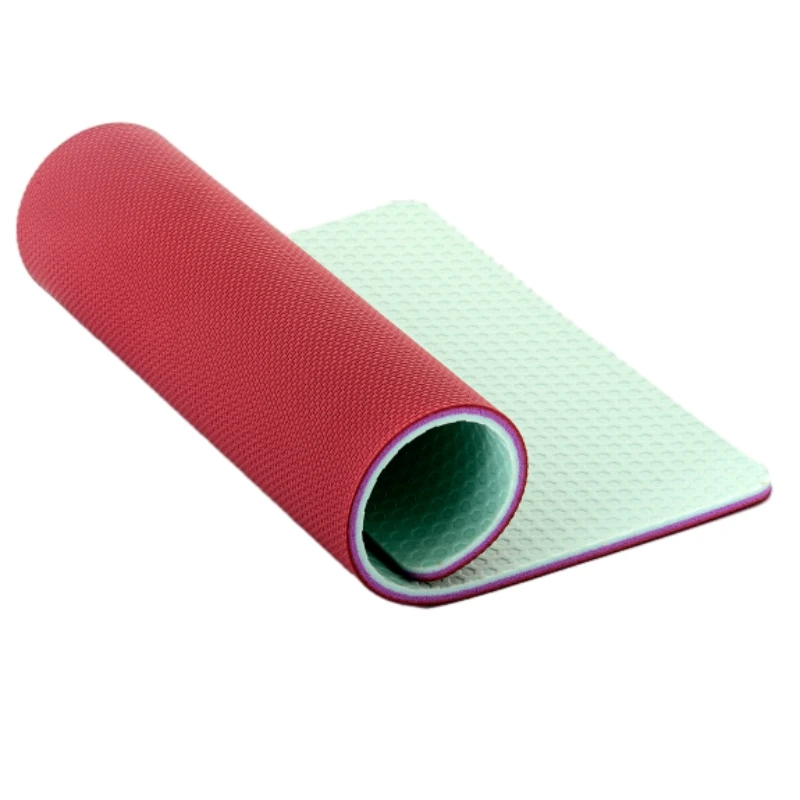
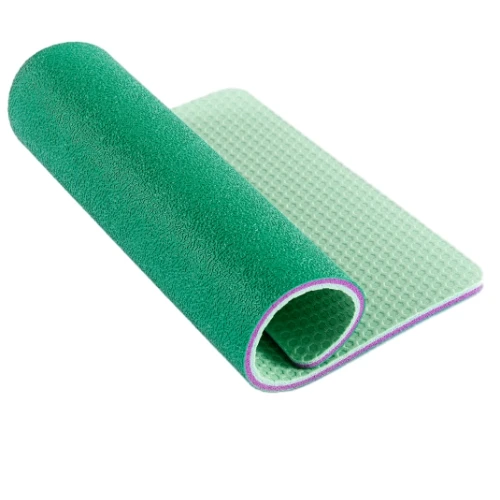
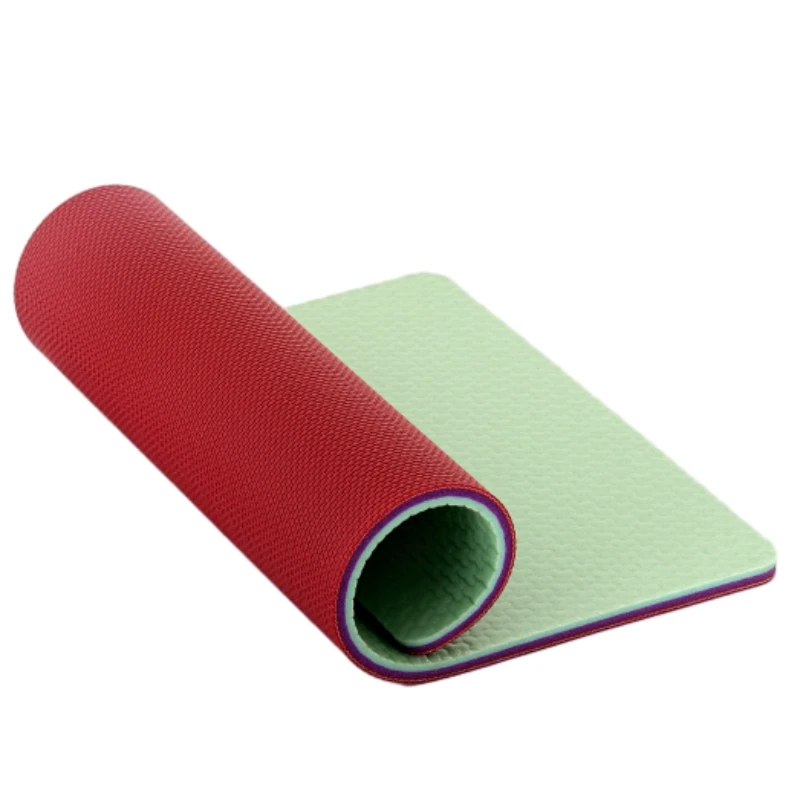
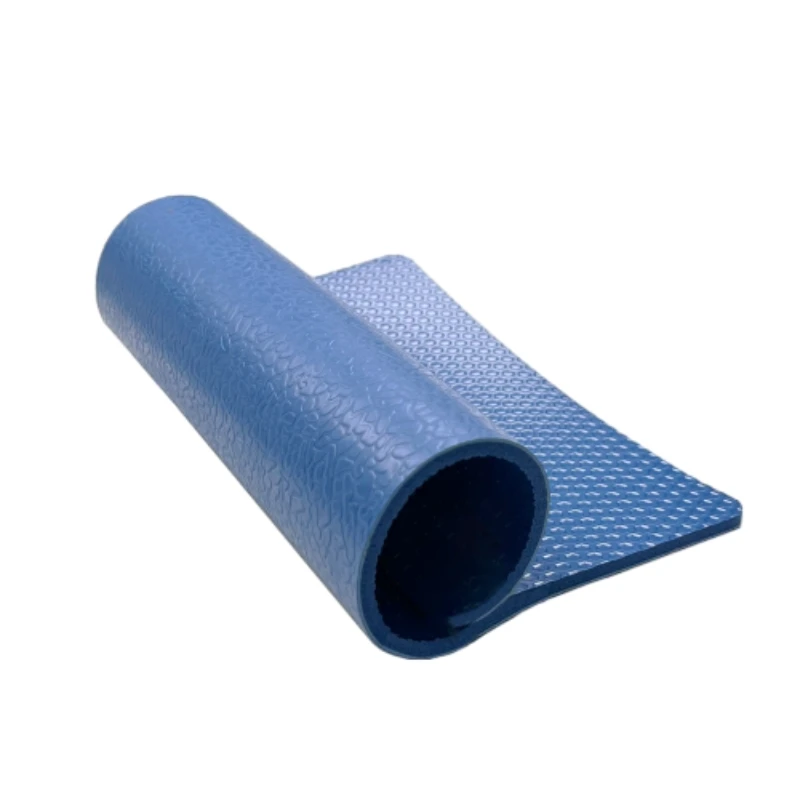
Modern customers in the region are specifically looking for flooring that reduces joint stress and provides consistent traction. Whether it is a basketball court floor for a city gymnasium or an outdoor badminton court mat for a village school, the priority has shifted toward materials that offer high resilience, easy cleaning, and a vibrant aesthetic that encourages youth participation in sports.