Guide to Professional PVC Basketball Flooring Prices and Quality
Selecting the right surface for a high-impact environment requires a careful balance between athletic performance and long-term budget planning. When evaluating basketball flooring prices, procurement managers often find that the initial cost is only one part of the equation; the true value lies in the material's ability to protect athletes' joints and withstand the rigors of daily competition. Professional PVC sports flooring has emerged as a superior alternative to traditional hardwood, offering a blend of resilience, safety, and efficiency that caters to both professional stadiums and community centers.
Modern sports surfaces are no longer just about aesthetics. The integration of high-density copolymer foam and fiberglass mesh ensures that the court maintains structural stability while providing critical shock absorption. For those designing a new facility or renovating an existing gym, understanding the relationship between material composition and operational longevity is key to optimizing the investment and ensuring a safe, FIBA-compliant playing environment.

The Engineering Behind High-Performance PVC Sports Surfaces
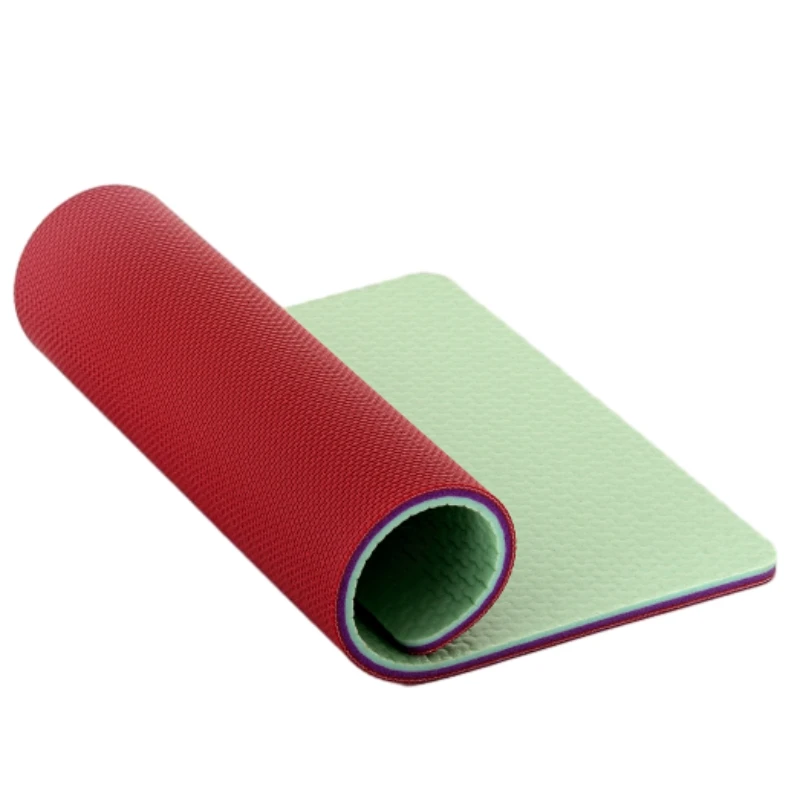
The performance of a sports floor is dictated by its internal architecture. Professional PVC flooring utilizes a multi-layered approach to ensure maximum durability and athlete safety. At its core, a fiberglass mesh cloth is embedded into the structure, which serves as a stabilizing agent to prevent shrinkage and deformation over time. This ensures that the court remains flat and consistent, even under varying temperature and humidity conditions common in large sports halls.
To address the physical toll of basketball—a sport characterized by constant jumping and sudden pivots—the flooring incorporates a high-density copolymer foam layer. This layer is engineered for outstanding toughness and elasticity, providing critical impact absorption. By effectively alleviating tremors during landing, the flooring provides professional-grade protection for the ankle, meniscus, spine, and brain, reducing the risk of sports-related injuries.
- Fiberglass Stabilization: Prevents structural warping and extends the overall service life of the facility.
- High-Density Copolymer: Enhances vertical deformation properties for better joint protection.
- Eco-Friendly Raw Materials: Uses natural plasticizers and is free from formaldehyde and heavy metals.

Optimizing Safety Through Surface Traction and Light Diffusion
Safety on a basketball court extends beyond impact absorption; it involves the precise control of friction and visibility. High-quality PVC flooring employs advanced anti-slip materials that maintain long-term elasticity and flexibility. This ensures that the surface remains grippy enough to prevent slips during rapid directional changes, yet smooth enough to prevent "skin burn" during falls, effectively reducing the risk of injury for athletes.
Furthermore, the visual environment of a stadium can often be a distraction. Standard glossy floors frequently create blinding glare from overhead spotlights. Professional solutions utilize a specialized texture printing process that effectively disperses stadium lighting. This matte-like finish prevents light sources from affecting the vision of players and spectators, allowing athletes to remain focused on the game and providing a more enjoyable viewing experience for the audience.
To ensure the floor remains locked in place, a unique "hexagonal" texture adsorption technology is used in the rubber base plate. This creates a powerful grip between the flooring and the subfloor, preventing any shifting or sliding that could occur during intense athletic movements, thereby maintaining a stable and safe playing field.
Application Scenarios and Buyer Procurement Considerations
Different environments demand different flooring specifications. In professional stadiums, the priority is strict adherence to FIBA and BWF standards to ensure fair play and maximum safety. In contrast, school gyms and community centers may prioritize ease of maintenance and versatility, as these spaces often host multiple activities ranging from basketball and volleyball to dance and aerobic exercises.
When procuring flooring, buyers should evaluate the "Total Cost of Ownership" rather than just the initial purchase price. PVC flooring offers a significant advantage in maintenance; the transparent wear layer combined with an elegant oak texture is not only aesthetically pleasing but also highly resistant to stains and easy to clean. This reduces the need for expensive sanding and refinishing required by traditional wood floors.
For those seeking customized solutions, OEM and ODM services allow facilities to align the floor's color and branding with their organization's identity. Whether it is a high-traffic municipal arena or a specialized ballet academy, the versatility of PVC allows for tailored thickness and hardness levels to match the specific biomechanical requirements of the sport.
Technical Evaluation Matrix for Sports Flooring Selection
| Evaluation Factor | PVC Sports Flooring | Traditional Hardwood | Polypropylene Tiles |
|---|---|---|---|
| Shock Absorption | High (Copolymer Foam) | Medium (Subfloor dependent) | Low to Medium |
| Maintenance Effort | Low (Easy Clean) | High (Sanding/Waxing) | Very Low |
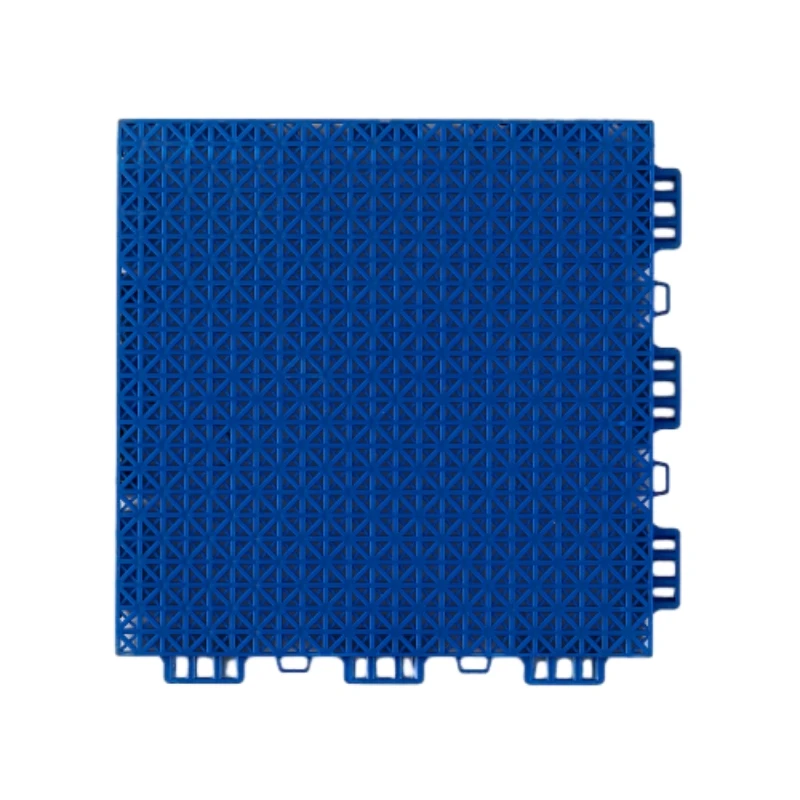
| Installation Speed | Fast (Rolls/Sheets) | Slow (Planking) | Very Fast (Interlocking) |
| Surface Stability | High (Fiberglass Mesh) | Medium (Wood expands) | High (Modular) |
| Environmental Health | Eco-friendly/No Formaldehyde | Varies by Finish/Glue | Recyclable Plastic |
Ensuring Quality Compliance and International Standards
In the global sports flooring market, certification is the only reliable indicator of quality. Flooring that meets ISO, CE, and EN standards ensures that the materials used are safe for human contact and durable enough for commercial use. For basketball-specific applications, FIBA certification is the gold standard, confirming that the floor provides the correct ball bounce and traction levels required for competitive play.
Quality control must be integrated into every stage of production. From the selection of high-quality PVC raw materials to the precision of the hexagonal base plate casting, rigorous testing is required to ensure consistency across large batches. A reliable supplier provides not only the product but also the technical expertise to ensure the subfloor is properly prepared, as the final performance of the PVC layer depends heavily on the stability of the base.
By partnering with manufacturers who possess a robust supply chain and proven export experience—particularly in demanding markets like Southeast Asia—buyers can ensure timely delivery and professional installation support, minimizing the downtime of their sports facilities.
Future Trends in Athletic Surface Technology
The trend in sports flooring is moving toward "intelligent surfaces" and extreme sustainability. We are seeing a shift toward materials that are not only formaldehyde-free but also fully recyclable at the end of their lifecycle. The integration of more advanced copolymers is allowing for "zonal cushioning," where different areas of the court provide different levels of impact absorption based on the heat maps of athlete movement.
Additionally, the demand for multi-purpose flooring is increasing. Facilities are now requesting surfaces that can seamlessly transition from a professional basketball court to a dance studio or a kindergarten play area without compromising the specific safety requirements of each activity. This versatility is driving innovation in wear-layer technology, making surfaces more resistant to scratches while maintaining a natural, aesthetic appearance.
Ultimately, the goal is to create an environment that enhances athletic performance while maximizing the lifespan of the facility. As materials science advances, the gap between the cost of high-end professional flooring and accessible community flooring is closing, making elite-level safety available to a wider range of athletes.
Frequently Asked Questions About Sports Flooring
What factors most influence the total cost of basketball court installation?
The total investment depends on several variables: the total square footage, the chosen thickness of the PVC layer, the level of shock absorption required (foam density), and the condition of the existing subfloor. Customized branding and professional installation services also impact the final pricing.
How does PVC flooring compare to hardwood in terms of player safety?
PVC sports flooring often provides superior shock absorption due to the integrated high-density copolymer foam layer, which reduces the impact on joints. It also allows for more precise control over the anti-slip coefficient, reducing the risk of sudden slips compared to polished wood.
Is PVC flooring suitable for multi-purpose use in schools?
Yes, it is ideal for multi-purpose use. Because it is durable, easy to clean, and available in various hardness levels, it can support basketball, volleyball, table tennis, and even dance classes within the same space without needing frequent replacements.
What certifications should I look for when buying professional flooring?
For professional basketball, look for FIBA certification. General quality and safety can be verified through ISO, CE, and EN standards. For badminton, BWF certification is the primary benchmark for performance and safety.
How do I maintain PVC sports flooring to ensure a long lifespan?
Maintenance is relatively simple: regular dusting and mopping with pH-neutral cleaners are sufficient. Unlike wood, it does not require periodic sanding or re-coating. Avoiding abrasive cleaning tools prevents damage to the transparent wear layer.
Can PVC sports flooring be installed over existing concrete?
Yes, it can be installed over concrete, provided the surface is level, dry, and free of contaminants. The hexagonal rubber base plate helps in securing the floor, but a professional subfloor assessment is always recommended for optimal bonding.
Technical References and Industry Standards
- FIBA Official Technical Standards for Basketball Courts
- ISO Standards for Plastic and Polymer Materials
- BWF Court Requirements and Flooring Specifications
- EN Standards for Sports Surface Safety and Performance
Investing in high-quality sports flooring is a commitment to athlete health and facility longevity. By prioritizing certified materials and professional engineering, you can create a world-class athletic environment that meets the highest international standards of safety and performance.
Related Industry Insights